Understanding Medical Bills and Credit Scores
Medical bills can be confusing and stressful. They can also impact your credit score. Understanding how medical bills affect credit is crucial for financial health.
Many people are unaware that unpaid medical bills can be sent to collections. This can lead to a negative mark on your credit report. It’s important to know the rules and regulations surrounding this process.
Recent changes have reduced the impact of medical debt on credit scores. However, medical bills can still affect major financial decisions, like buying a house. Knowing your rights and options can help you manage medical debt effectively.
This guide will explore how medical bills interact with credit scores. We’ll cover legal aspects, recent changes, and strategies for managing medical debt.
How Medical Bills Can Affect Your Credit Score
Medical bills can significantly affect your credit score if not managed properly. When a medical bill goes unpaid, it can be sent to a collection agency. This action can negatively impact your credit rating.
Before it reaches collections, you usually have a 180-day grace period. This period allows you time to resolve the bill before it appears on your credit report. It’s crucial to stay proactive during this time.
Medical debt is now treated differently due to recent reforms. Some credit scoring models even ignore paid medical debts. However, unpaid medical bills can still lower your score.
Here are ways medical bills impact credit:
- Unpaid bills can lead to collections.
- Collections appear on credit reports.
- Lower credit scores affect loan approvals.
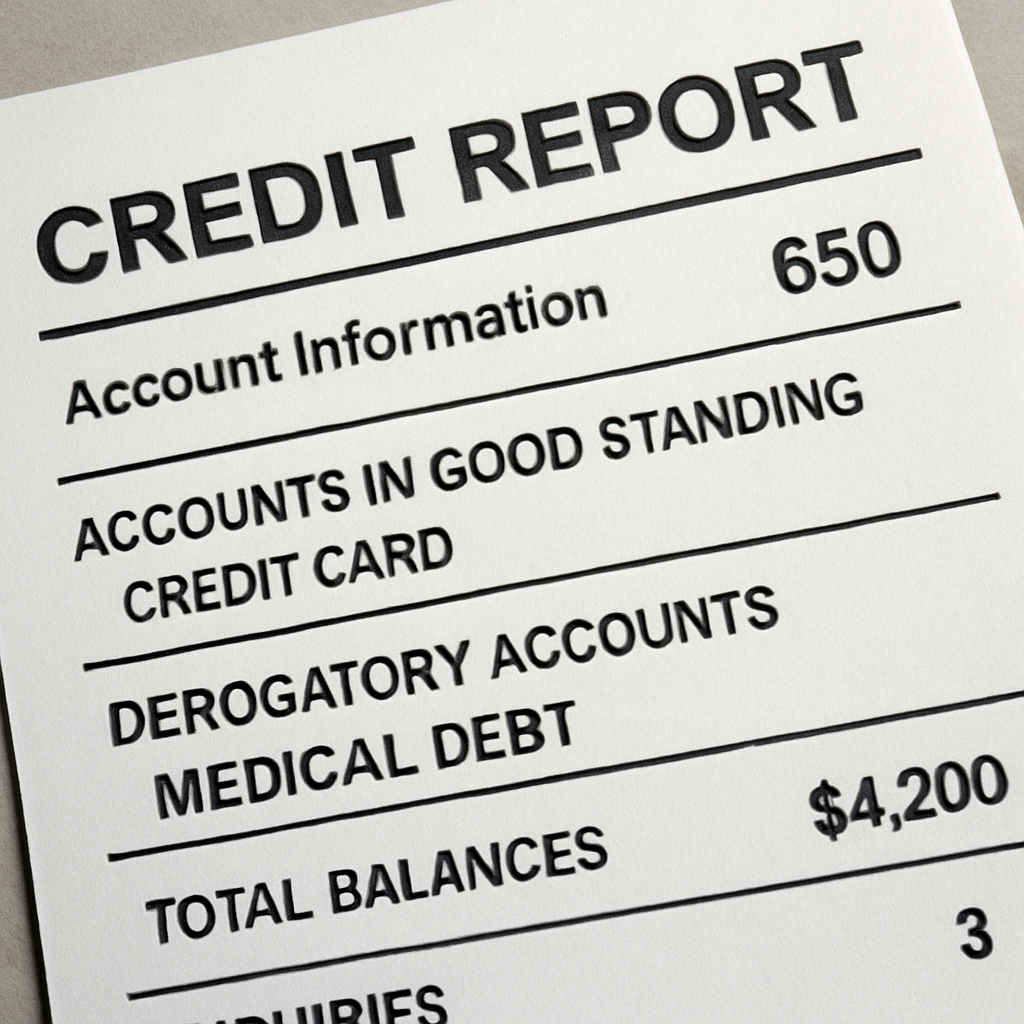
Regularly checking your credit report can help you spot medical debts. Understanding the billing process helps you catch errors early. This prevents them from harming your credit score. Always communicate with healthcare providers to address billing issues promptly.
The Process: From Medical Bill to Collections
Understanding how a medical bill reaches collections is crucial for managing your finances. Initially, you’ll receive a bill after medical services are rendered. This bill should be reviewed for accuracy and paid promptly.
If you can’t pay immediately, contact the healthcare provider to discuss payment options. Many providers offer payment plans that can prevent the bill from going to collections. Open communication can save you stress and preserve your credit.
If a bill remains unpaid, the provider may send it to a collection agency. This typically happens after efforts to collect payment fail. The collection agency will then pursue payment from you.
Key steps in the medical bill to collections process include:
- Receiving and reviewing the medical bill.
- Communicating with the healthcare provider.
- Setting up payment arrangements or settling the bill.
- Risking potential collection action if unpaid.
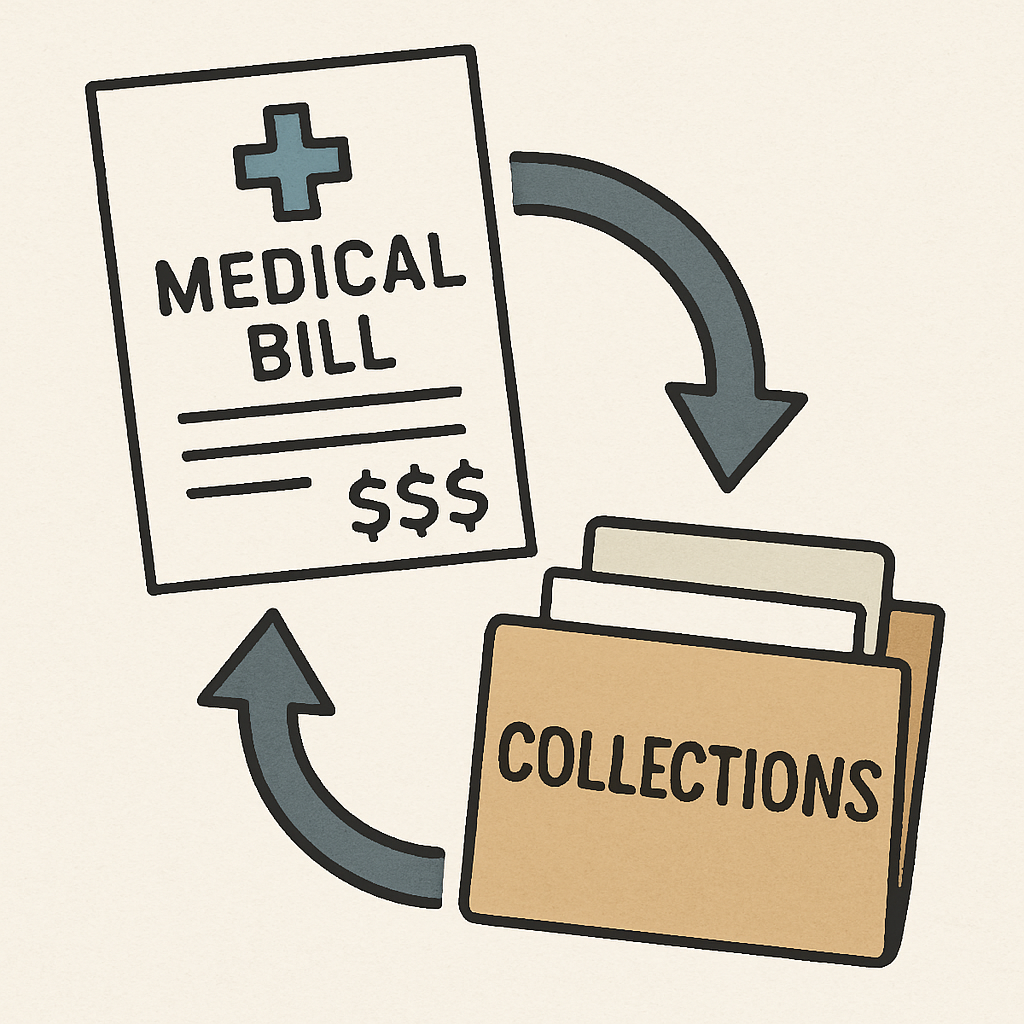
To stay proactive, always monitor your bills and payments. If a bill is sent to collections, act quickly to resolve it. Understanding this process empowers you to prevent collections from affecting your financial well-being.
Is It Legal to Send Medical Bills to Collections?
Many wonder if it’s legal to send medical bills to collections. The answer is yes, but there are specific rules in place. Healthcare providers must follow these rules to ensure fairness.
The Fair Debt Collection Practices Act (FDCPA) governs how collection agencies operate. They must not harass or deceive when collecting debts. Compliance with these rules is mandatory.
Providers must also comply with the Fair Credit Reporting Act (FCRA). This act regulates how medical debt is reported on credit reports. Ignoring these guidelines can lead to penalties for the provider or collector.
Key legal aspects include:
- Compliance with FDCPA for debt collection practices.
- Adhering to FCRA for accurate credit reporting.
- Following specific state laws that may provide additional protections.
Understanding these legal frameworks can help you ensure your rights are protected.
Medical Debt and Credit Reports: What You Need to Know
Medical debt can significantly impact your credit report. Credit bureaus track this information, which can influence your financial life. It’s crucial to understand how this works.
Once a medical bill goes unpaid, it might end up on your credit report. Credit bureaus usually wait 180 days before listing it. This grace period allows time for resolving insurance claims or disputes.
Recent updates have changed how medical debts are reported. For instance, any medical debt under $500 is no longer included. This change can reduce the weight of small debts on your credit score.
If unresolved, medical bills can stay on your report for up to seven years. However, if paid or settled, they may be removed. Being proactive about managing medical bills is essential for protecting your credit.
Some important points to remember include:
- Medical debts under $500 are not on credit reports.
- There is a 180-day waiting period before reporting.
- Resolved debts can be removed from your credit report.
By understanding these aspects, you can better manage your credit score. Awareness and management of medical bills are key to financial health.
Recent Changes in Medical Debt Reporting
Recent changes in medical debt reporting have eased the burden for many individuals. Updated policies now provide a cushion, especially for smaller debts.
A notable change involves debts under $500, which are excluded from credit reports. This adjustment aims to prevent minor medical expenses from weighing down credit scores. Such debts previously had a more significant impact.
Additionally, the extended 180-day grace period gives more time. It allows consumers to address insurance claims or payment issues before debts appear on reports. This change helps individuals manage their medical finances more efficiently.
Here’s a summary of the recent changes:
- Exclusion of debts under $500 from reports.
- An extended 180-day waiting period before debt is reported.
- Better opportunities for resolving debts before they affect scores.
Keeping informed about these updates can aid in financial planning. It emphasizes how staying aware can help mitigate credit-related stress. Understanding these changes is crucial in navigating medical billing challenges effectively.
How Medical Debt Impacts Major Life Decisions
Medical debt can significantly impact major life choices, such as purchasing a home or car. Lenders often examine credit reports closely, and any debt in collections can be a red flag. This financial situation might limit loan approvals or affect interest rates.
A tarnished credit score due to medical debt can delay personal ambitions. Individuals may face higher costs or reduced borrowing power. Financial limitations stemming from medical bills make it harder to achieve milestones.
Understanding the ramifications of medical debt is essential for planning. Here are some key impacts:
- Alters loan eligibility for buying a home.
- Affects interest rates on future credits.
- Reduces flexibility in financial planning.
by Marek Studzinski (https://unsplash.com/@jccards)
Awareness can lead to proactive debt management, helping achieve personal goals. Planning and knowledge are powerful tools for navigating financial challenges.
What to Do If Your Medical Bill Is Sent to Collections
When a medical bill is sent to collections, don’t panic. Start by verifying the debt is accurate. A simple error might have caused the bill to be sent to collections.
Contact the medical provider and collection agency. Open communication is crucial and can often lead to solutions. Discuss potential payment plans or settlements to manage the debt.
Know your rights under the Fair Debt Collection Practices Act (FDCPA). You can dispute the debt if it’s incorrect or ask for validation. Understanding these rights is vital to protect your credit score.
Here’s a quick action plan if your medical bill is sent to collections:
- Verify the bill details for accuracy.
- Communicate with both the provider and collection agency.
- Explore payment options or settlements.
- Understand and exercise your rights under FDCPA.
Taking these steps can help minimize the financial impact and protect your credit score.
How to Get Medical Debt Removed from Your Credit Report
Removing medical debt from your credit report can boost your score. First, verify if the debt is accurate and has been paid or settled. If incorrect, dispute the entry with the credit bureau.
Medical debt paid or resolved with your insurer can sometimes be removed. This option is valuable, especially if the debt was paid within a 180-day grace period. Regularly check credit reports to ensure these updates reflect accurately.
Reach out to the creditor or collection agency to request a “goodwill deletion.” While not guaranteed, demonstrating your willingness to resolve the issue can lead to debt removal from the report.
To effectively navigate this process:
- Verify debt accuracy and ensure it’s paid or settled.
- Dispute incorrect entries with credit bureaus.
- Request goodwill deletion from the creditor.
By taking these steps, you enhance your financial standing and credit health.
Tips for Managing and Preventing Medical Debt
Managing medical debt is crucial for financial stability. Start by understanding your medical insurance policy thoroughly. This helps in anticipating out-of-pocket expenses and prevents surprise bills.
Always negotiate with healthcare providers before and after treatment. Many are open to setting up payment plans or even reducing charges. It reduces the stress of sudden large bills.
Stay proactive by maintaining a detailed record of medical services and bills received. This prevents discrepancies, enabling you to quickly spot and resolve errors.
Consider these strategies to prevent medical debt:
- Review and understand your insurance coverage.
- Negotiate and discuss payment plans with providers.
- Keep a meticulous track of all medical bills and records.
By adhering to these tips, you can significantly minimize the financial impact of medical services. These efforts help avoid debt escalating and affecting your credit.
Key Takeaways and Resources
Effectively managing medical bills is crucial for maintaining a healthy credit score. Awareness and proactive steps can mitigate negative impacts.
Several resources are available to aid in this journey. Utilize them to arm yourself with knowledge and strategies.
Here’s a quick recap:
- Understand insurance coverage thoroughly.
- Negotiate bills actively with providers.
- Keep a detailed record of all medical transactions.
- Explore financial aid programs and counseling.
By accessing resources, such as the Consumer Financial Protection Bureau (CFPB), and employing careful management, you can navigate medical debt wisely and protect your credit health.